
So You Want to Break Into Software QA
My entire four-year CS degree dedicated maybe two weeks to software testing. Final year. A professor assigned a group project — build a website with a partner team abroad, one person plays product manager, the rest are devs, and someone has to write a test plan. We had no idea what we were doing on the QA side. We followed the professor’s instructions, fumbled through the test cases, and that was it.
Two weeks. Out of four years.
But that was all it took. Something about it clicked — the challenge of it, the infinite space of things that could go wrong, the idea that this was actually a hard job that most people underestimated. When my first job out of college gave me a shot at QA, I took it and never looked back.
The problem is I didn’t know QA existed as a career until that assignment landed in my lap. If you’re reading this in high school or early college, you’re already ahead of where I was. Here’s what I’d tell my younger self.
Start in High School If You Can
Not every high school has the budget for it, but if yours offers a CS or programming elective, take it. Take as many as they offer.
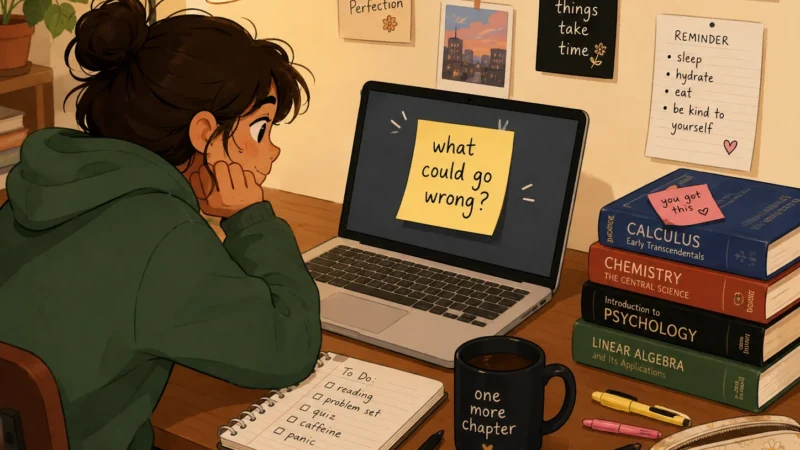
Not because QA requires coding — it doesn’t always. But writing code forces you to think like a QA whether you realize it or not. You start asking: what could go wrong here? How does a user actually interact with this? Does this make sense to someone who didn’t build it?
That’s QA thinking. And you’ll be doing it before most people even know the field exists.
Treat Every Homework Assignment Like a Real Project
This is the advice I wish someone had given me.
When your teacher hands you a programming assignment, don’t just read it and start coding. Treat it like a real software project — you’re the developer and the QA. Read the requirements and question them. Where are the ambiguities? What edge cases aren’t covered? What scenarios did the teacher not think to specify?
Then build it like a dev. Test it like a QA.
You won’t know how to do this naturally — school teaches syntax, data structures, algorithms. It doesn’t teach you how software actually gets built or shipped. So go learn that part yourself. Read about the software development lifecycle. Understand what product managers do, what devs do, what QA does. Ask AI your questions. Then apply it to your palindrome function homework.
It sounds like overkill for a class assignment. It probably is. But school isn’t just about getting a grade. It’s a safe place to make mistakes, explore, and build skills for the real world. Start thinking this way in high school and you’ll be years ahead of people entering the industry for the first time.
The CS Degree Is Still Worth It
I know. You’re reading a QA blog and I’m telling you to study computer science. Hear me out.
There’s a stigma against QA in the industry. It’s been there from the start — human nature, some people needing to feel superior to others, whatever the reason. It’s real and it’s unfair. A CS degree plays to that bias. Right or wrong, it makes you a more attractive candidate and opens more doors. Play the game.
A teacher once told me you have to be a little insane to be a QA. The reason: there’s an infinite space of inputs to test. And retest. The job is genuinely hard. But a CS background gives you the tools to handle the hard parts — and if you end up not loving QA, the degree gives you somewhere else to go. That flexibility matters.
One more practical reason: technical interviews. Even for QA roles, some companies will put coding problems in front of you. A CS background means that’s not a surprise.
What If You’re Already Studying Something Else?
Not a dealbreaker. There are manual QA roles that don’t require a technical degree. But you’ll need to work harder to get through the door — certifications, portfolio projects, and getting real testing experience through crowdsource testing platforms are how you build credibility without the degree.
I’ll write a separate post on that path specifically.
What About AI?
Maybe it takes some jobs. But it could also open new ones — new testing approaches, new QA roles that don’t exist yet. You got interested in this for a reason, hopefully because some part of it genuinely appeals to you. Try it. Don’t let an uncertain future stop you before you’ve started.
The QA field needs people who enjoy organizing information, thinking critically about how things break, and making software actually work for real users. If that sounds like you — don’t start late like I did.
Start now.